“The Krasner Faculty Practice: psychiatry reimagined. Rigorous assessment, high-impact treatment first, and family at the center — a living plan for lasting change.”
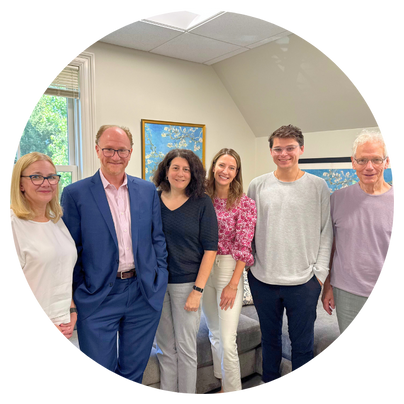
Krasner Faculty Practice
Psychotherapy
Art Therapy
Behavioral Therapy
Music Therapy

Outdoor/Experiential Therapy
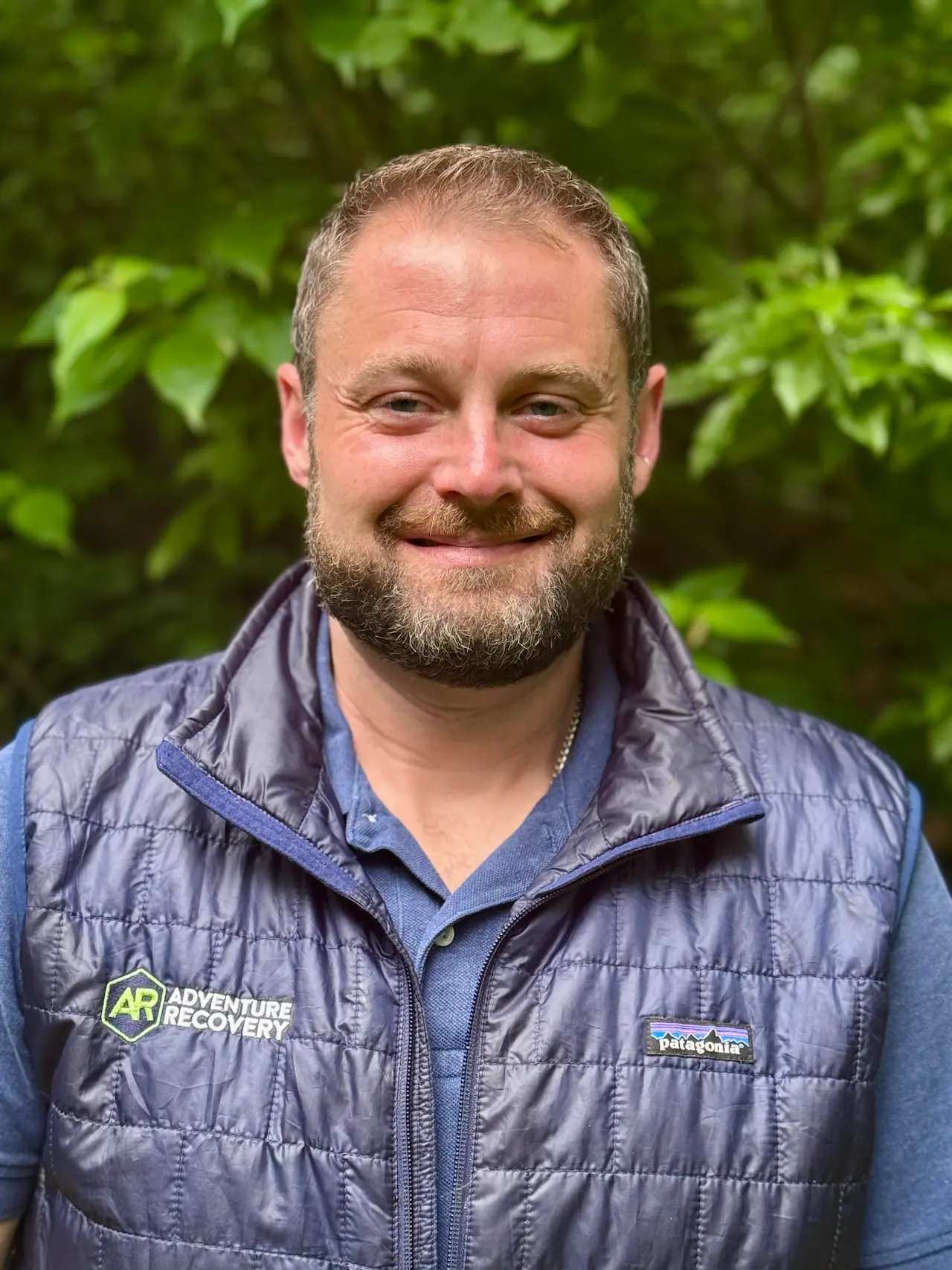
Interventional Services
Transcranial Magnetic Stimulation

Ketamine-Assisted Psychotherapy

APRN
Psychological Testing
Education & Executive Function Support
Research
Relational, Developmental, Family-Centered Psychiatry for Adolescents
The Krasner Faculty Practice is not business as usual. We are mission-driven, interdisciplinary, and united by a simple conviction: the old way of waiting for treatments to fail is backwards. We are inverting the paradigm.
A New Model for a Youth Mental Health Crisis
Adolescence is the most sensitive period of human development — when psychiatric conditions most often emerge. Yet teens and families are met with long waits, fragmented care, and conventional approaches that only escalate after repeated failures.
The Krasner Faculty Practice exists to change this trajectory.
How We Work: Living Assessment, Revolutionary Planning
Rigorous Assessment, Done Right
Every case begins with PsychNow, our asynchronous digital intake, layered with in-depth evaluation by both psychiatrist and psychologist. These inputs generate a living treatment plan, not a report on a shelf, but a dynamic roadmap updated in real time.
Planning as the Engine of Care
The treatment plan is the throughline of our work. It informs every decision, coordinates every intervention, and guides the full faculty practice in weekly Thursday meetings. Cohesion, communication, and flexibility are not buzzwords — they are the operating principles of our team.
Inverting the Paradigm
Conventional wisdom waits until therapies fail before escalating to more powerful treatments. We see this as a mistake. At the Krasner Faculty Practice, we begin with interventions that have the greatest effect sizes — interventional psychiatry, pharmacology, and experiential therapies that restore regulation and rewrite the narrative early in the treatment arc. Once the foundation is restored, teens are far better prepared to engage in conventional psychotherapy and sustain meaningful progress. This is not a tweak to the old model — it is a paradigm shift.Our philosophy isn’t just theory—it’s the practical foundation that enables breakthrough when standard care has reached its limits.