2025 wasn’t a quiet year for mental health treatment. The FDA approved a wave of new options that mark a real shift in how psychiatric care works. Not just new medications, but new ways to deliver treatment, new technologies, and expanded options for younger people. Here are some of the highlights.
Ketamine Treatment Can Now Stand Alone
In January, Spravato (esketamine) was approved as a standalone treatment for depression that hasn’t responded to other medications. Previously, it had to be used alongside a traditional antidepressant. Now it doesn’t. For patients already using it, this removes a layer of complexity and reflects what doctors have been seeing in practice: sometimes, it works on its own.
Pain Management Without Opioids
A new non-opioid pain medication called Journavx offers chronic pain relief without the risk of developing opioid dependence or addiction. Onapgo was released as a treatment option for late-stage Parkinson’s disease. The medication is delivered continuously through a pump implanted under the skin. This underscores how you take medicine is becoming as important as what you take.
Brain Stimulation Therapy Is Now Available for Teens
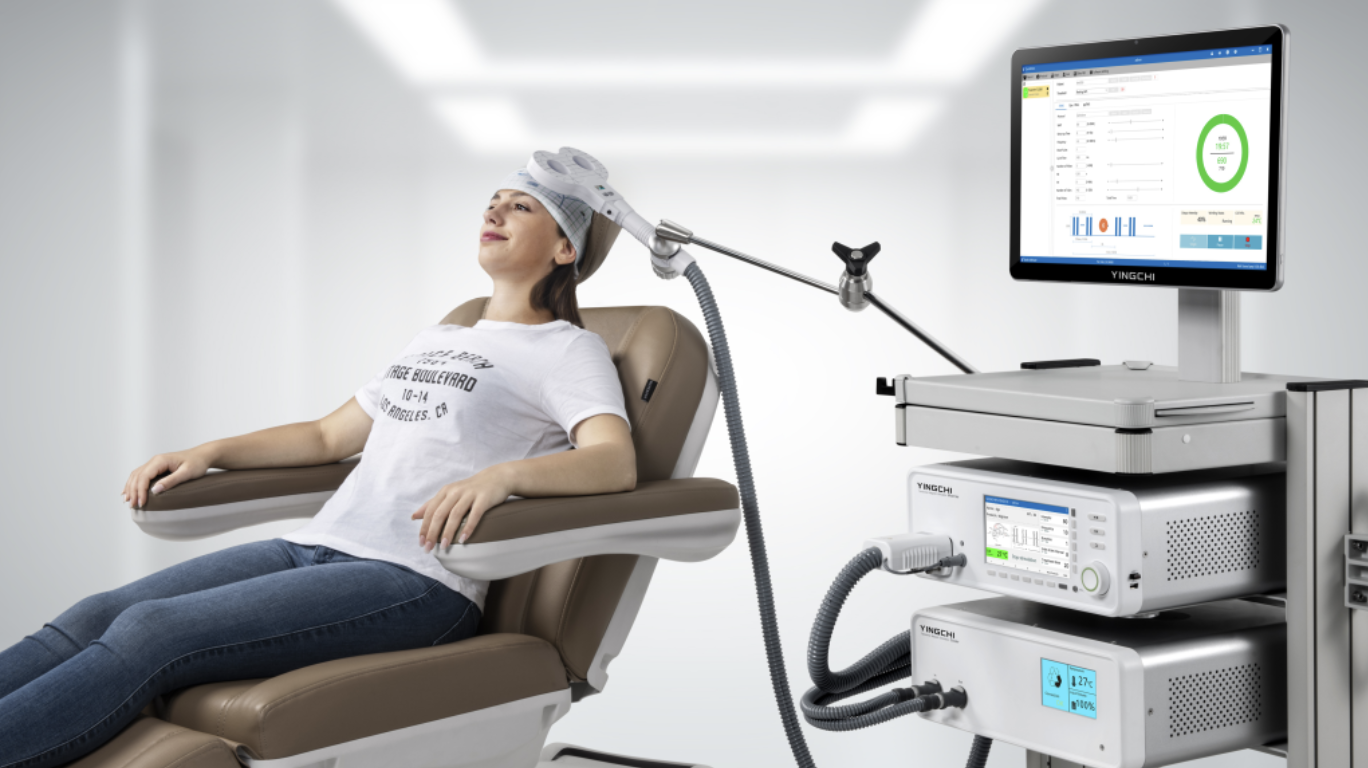
In March, the FDA cleared TMS (transcranial magnetic stimulation) systems, including Horizon Inspire TMS and MagVenture TMS Therapy for adolescents aged 15–21 with depression. Later in the year, the Deep TMS system received similar approval. This is significant. Brain stimulation therapy—once reserved for adults who’d tried everything else—is now an approved medication-free option for teenagers. Clinics offering this need to be thoughtful about consent, development, and family involvement, but the door is open.
Making Medication Easier to Take
New medication formulations became available that help those struggling to swallow pills or for people who forget to take them daily. Mezofy is an oral film version of aripiprazole, which can be used to treat schizophrenia in teens and adults. Similar innovations followed with Subvenite for epilepsy and bipolar disorder and Uzedy gained approval for long-term maintenance of bipolar I disorder.
Treating Panic and PTSD from Home
Freespira, a device-based treatment for panic disorder, was cleared for teens as young as 13. The device helps patients regulate their breathing and reflects growing FDA comfort with psychiatric treatments you can use at home, not just in a clinic. That trend accelerated throughout the year.
Blood Tests for Alzheimer’s Risk
In May and October, the FDA cleared two blood tests that can help identify Alzheimer’s disease much earlier without needing a PET scan. For psychiatrists, this changes how memory complaints get evaluated. A blood draw can now provide meaningful information that used to require expensive imaging.
ADHD and Binge Eating Treatment Starting Younger
Arynta, a new liquid stimulant formulation, was approved for ADHD and binge eating disorder in children as young as six. This continues a pattern: the FDA is expanding treatment options across the lifespan and making medications available in formats that work better for different people.
New Options for Fibromyalgia and At-Home Brain Stimulation
August and December marked a shift toward care you can access outside traditional medical settings. Tonmya was approved for fibromyalgia—a condition that often overlaps with depression and anxiety. Meanwhile, the FDA cleared the FL‑100, an at-home brain stimulation device for depression, and a prescription version of LumosityRx for ADHD. Psychiatric treatment is no longer confined to the office or hospital. Increasingly, it’s something you can access where you live.
New Uses for Existing Medications
In November, Caplyta—originally approved for bipolar depression and schizophrenia—gained approval as an add-on treatment for major depression. This reflects a quiet shift: some medications originally designed as antipsychotics are increasingly recognized as useful mood stabilizers and antidepressant enhancers when used carefully.
What Does This All Mean
If you step back, a pattern emerges. The FDA in 2025 repeatedly showed comfort with:
- Treatments that work alone or as add-ons
- Expanding life-changing interventions to teenagers
- Using blood tests to guide psychiatric diagnosis
- Treatment you can do at home, not just in a clinic
- Making medications easier to take and stick with
This isn’t about chasing every new approval. It’s about recognizing that psychiatric care is evolving. Options that seemed experimental a few years ago are now mainstream. Treatment is becoming more flexible, more personalized, and more accessible across age groups, which means better outcomes for patients.